How To Read A Supplement Label
A checklist worth running on any vitality product, not just this one.
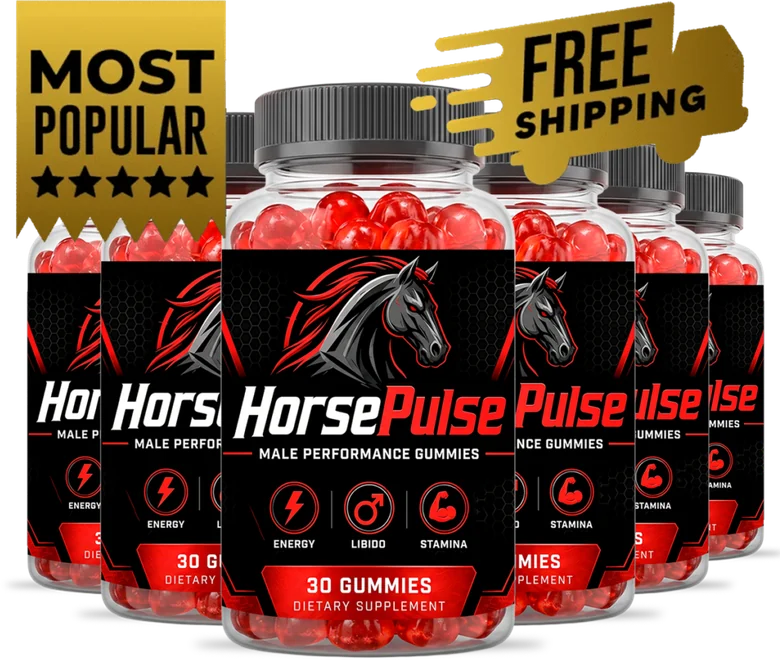
Men's-vitality labels reward confident language over precise disclosure. Before trusting any product in this category — including this one — here's the checklist worth actually running.
1. Named ingredients, or a vague blend?
A label that names every ingredient individually — even without exact milligram figures — gives you more to work with than one that hides everything behind a single “proprietary formula” number.
2. Does the mechanism actually make sense together?
Check whether the ingredients target a coherent mechanism or read like a random assortment of trendy herbs. A circulation-focused ingredient (like beet root) paired with a hormonal-support ingredient (like Tongkat Ali) is a coherent, complementary combination — worth checking that any product you're comparing has a similarly logical structure.
3. FDA claims, read carefully
“FDA-approved” and “FDA-registered facility” are not the same claim. Dietary supplements are not approved by the FDA before sale — if a page uses “approved,” that's worth double-checking against the more precise, and more common, “registered facility” language.
4. Testosterone claims, checked against real research
Ingredients like Tribulus Terrestris are frequently marketed as testosterone boosters. Published research on this specific claim is genuinely mixed — worth reading skeptically rather than taking the marketing language at face value.
5. Guarantee terms, in writing
A guarantee mentioned only in marketing copy, with no clear window or process, isn't one you can fully rely on. Read the terms at checkout, not just the landing page.